Back
Jim Corbett National Park Travel Guide: Explore In Style

Jim Corbett National Park Travel Guide: Explore In Style

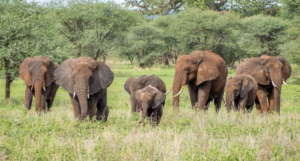
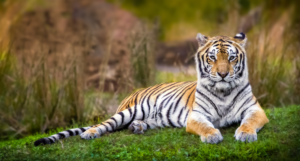
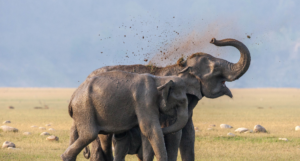
There’s something wild about Jim Corbett, quite literally. Home to India’s oldest national park, Jim Corbett National Park is where dense forests, riverbanks, and thrilling wildlife sightings come together to create an unforgettable escape. Originally established in 1936 as Hailey National Park, it was later renamed after legendary conservationist Jim Corbett, whose efforts helped shape wildlife protection in India. From Bengal tigers and wild elephants to over 600 species of birds, the park is a paradise for nature lovers, proving that here, the “mane” attraction is much more than just the tiger.

Beyond safaris and jungle trails, Jim Corbett has also become a favourite among travellers seeking peaceful, luxurious stays surrounded by nature. Riverside mornings, misty forest views, bonfire evenings, and private farmhouse experiences make the destination feel both adventurous and relaxing. Whether it’s a quick weekend getaway or a long nature retreat, Corbett offers the perfect balance of wilderness, comfort, and slow travel.

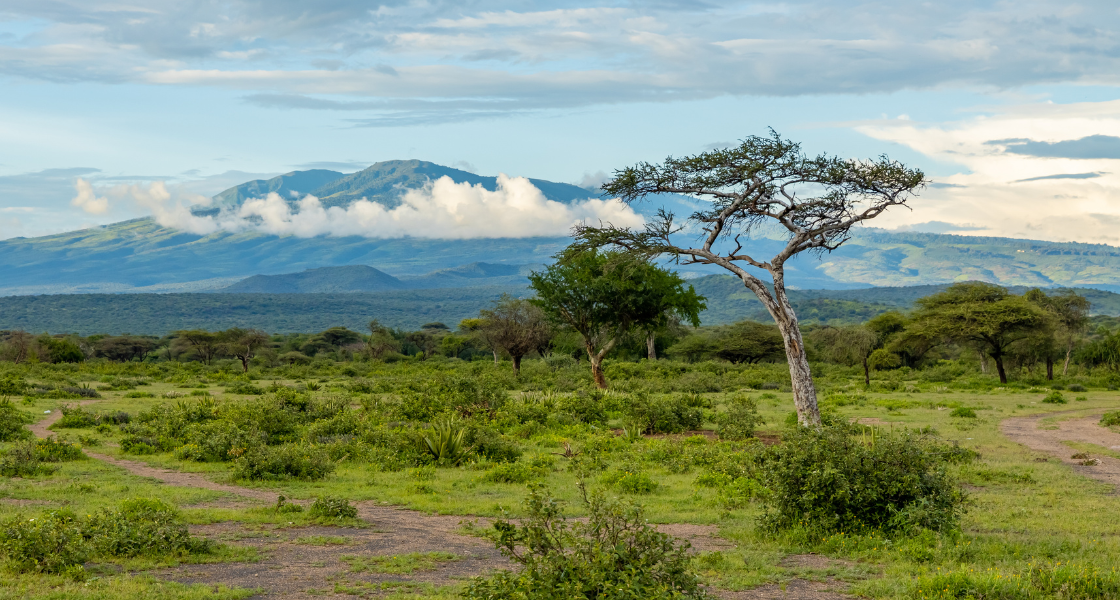
Best Time to Visit Jim Corbett National Park
Best Time to Visit Jim Corbett National Park

The ideal time to visit depends on the kind of experience you want.

  • Winter (November to February): Winter is considered one of the best seasons to explore Corbett. The weather remains cool and pleasant, making jungle safaris comfortable and enjoyable. This is also a great time for birdwatching as migratory birds arrive during these months.
  • Summer (March to June): Summer is perfect for wildlife sightings, especially tiger spotting, as animals often come near water bodies. Early morning safaris during this season can be especially rewarding.
  • Monsoon (July to September): Parts of the park remain closed during the monsoon due to heavy rainfall, but the surrounding landscapes become incredibly lush and scenic. If you enjoy peaceful stays surrounded by greenery, this season has its own charm.

Zones in Jim Corbett National Park
Zones in Jim Corbett National Park

Jim Corbett National Park is divided into multiple tourism zones, each offering a different experience.

  • Dhikala Zone: The most popular and largest zone in the park, Dhikala, is famous for grasslands, dense forests, and excellent tiger sightings. Staying overnight here offers a truly immersive jungle experience.
  • Bijrani Zone: Known for its scenic beauty and wildlife activity, Bijrani is one of the most visited safari zones and is ideal for first-time visitors.
  • Jhirna Zone: Open throughout the year, Jhirna is known for sightings of wild elephants, deer, and sloth bears.
  • Dhela Zone: A relatively newer zone, Dhela offers peaceful safari experiences with beautiful forest landscapes. Durga Devi Zone: Perfect for birdwatchers and nature lovers, this zone features hilly terrain, river streams, and dense forests.

Things to Do in Jim Corbett National Park
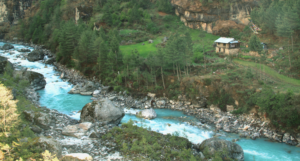
Kosi River_ Things to Do in Jim Corbett National Park

  • Go on a Jungle Safari: Experience the thrill of exploring dense forests and spotting wildlife like Bengal tigers, elephants, deer, and exotic birds in their natural habitat.
  • Enjoy Riverside Experiences: Spend peaceful moments by the Kosi River with scenic walks, relaxing views, and calm evenings surrounded by nature.
  • Birdwatching: Discover hundreds of bird species, including hornbills, kingfishers, woodpeckers, and migratory birds across Corbett’s rich landscapes.
  • Nature Walks & Forest Trails: Explore quiet jungle paths and lush greenery through guided walks that bring you closer to Corbett’s natural beauty.
  • Visit Garjia Devi Temple: Located on a rock amidst the Kosi River, this famous temple offers spiritual charm along with beautiful river views.
  • Explore Corbett Museum: Step into the former home of Jim Corbett and learn about his life, wildlife stories, and conservation efforts.

Best Places to Visit Near Jim Corbett
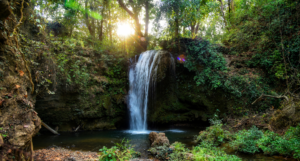
Corbett Waterfall

  • Sitabani Forest Reserve: Known for its scenic forest trails and mythological connections, Sitabani is ideal for nature lovers and birdwatchers.
  • Corbett Waterfall: Surrounded by dense teak forests, this peaceful waterfall is perfect for short nature breaks and photography.
  • Kosi River: The serene riverbanks offer beautiful sunset views, picnic spots, and a relaxing escape close to nature.

Farmhouses in Jim Corbett for a Luxurious Nature Escape

For travellers looking to enjoy nature without compromising on comfort, luxury farmhouses in Jim Corbett National Park offer the perfect stay experience. Properties like Farm Naturelle – 3-BHK Farmhouse in Jim Corbett combine peaceful forest surroundings with modern comforts such as spacious interiors, private outdoor spaces, scenic views, and relaxing bonfire evenings. Ideal for families, couples, and groups, these farmhouses provide a more private and refreshing alternative to traditional hotel stays.

What to Eat in Jim Corbett

Eat in Jim Corbett

The food scene around Jim Corbett combines North Indian comfort food with local Kumaoni flavours. Some dishes worth trying include: Aloo Ke Gutke, Bhatt Ki Churkani, Kumaoni Raita, Kafuli, Grilled river-side snacks, Fresh parathas and chai during winter mornings.

Many luxury stays also offer outdoor dining experiences, barbecue nights, and local cuisine tasting sessions.

Shopping in Jim Corbett

ramnagar market jim corbett

While Corbett is primarily a nature destination, local markets around Ramnagar offer handmade souvenirs and regional products. Things to buy: Handmade candles, Organic products, Local spices, Wooden handicrafts, Woollens and shawls, and Wildlife-themed souvenirs.

The small local shops around Ramnagar and nearby areas are ideal for picking up memorable keepsakes from your trip.

Travel Tips for Visiting Jim Corbett
Travel Tips for Visiting Jim Corbett

  • Book safaris in advance, especially during weekends and peak seasons.
  • Carry neutral-coloured clothing for safari experiences.
  • Early morning safaris usually offer better wildlife sightings.
  • Keep binoculars and cameras ready at all times.
  • Respect forest rules and avoid loud noises during safaris.
  • Choose a stay close to your preferred safari zone for convenience.

How to Reach Jim Corbett National Park

  • By Road: Jim Corbett is well connected by road from Delhi, Dehradun, and nearby North Indian cities. A road trip to Corbett is scenic and comfortable, especially during winter and monsoon.
  • By Train: The nearest railway station is Ramnagar Railway Station, which is connected to major cities, including Delhi.
  • By Air: The nearest airport is Pantnagar Airport, located around 80 kilometres away from the park.

Why Jim Corbett Is Perfect for Every Kind of Traveller

What makes Jim Corbett truly special is its versatility. Wildlife enthusiasts come here for tiger safaris, photographers for misty forests and rare birds, couples for peaceful luxury stays, and families for nature-filled vacations. The destination offers both adventure and relaxation without feeling rushed or overcrowded.

You can spend your mornings exploring the jungle, afternoons relaxing beside a private pool, and evenings enjoying riverside dinners under open skies. Very few destinations in India offer this balance of wilderness and comfort so naturally.

FAQs About:- Jim Corbett National Park Travel Guide

 1. What is the best time to visit Jim Corbett National Park?

The best time to visit Jim Corbett National Park is from November to June, when the weather is pleasant, and wildlife sightings are more frequent.

 2. Where should you stay in Jim Corbett?

Travellers can choose from luxury resorts, riverside stays, and private farmhouses near Jim Corbett for a peaceful and comfortable nature escape.

 3. Is the jungle safari in Jim Corbett worth it?

Yes, a jungle safari in Jim Corbett is one of the top experiences for wildlife lovers, offering chances to spot Bengal tigers, elephants, deer, crocodiles, and exotic birds.

 4. How can I book a safari in Jim Corbett National Park?

Jim Corbett safari bookings can be made online in advance through authorised forest booking platforms or through resorts and travel operators.

 5. Which is the best zone in Jim Corbett for tiger sightings?

Dhikala and Bijrani Zones are considered among the best safari zones in Jim Corbett for tiger sightings and scenic jungle experiences.

 6. Are luxury farmhouses available near Jim Corbett National Park?

Yes, travellers can find several luxury farmhouses near Jim Corbett that offer private pools, forest views, bonfire spaces, and peaceful nature stays.

 7. How many days are enough for a Jim Corbett trip?

A 2 to 3-day trip is usually ideal to enjoy jungle safaris, riverside experiences, sightseeing, and relaxing farmhouse stays around Corbett.

 8. What are the top places to visit near Jim Corbett?

Popular places to visit near Jim Corbett include Garjia Devi Temple, Corbett Waterfall, Sitabani Forest Reserve, and the scenic Kosi River.

 9. Is Jim Corbett good for family vacations?

Yes, Jim Corbett is perfect for family vacations with its mix of wildlife safaris, riverside activities, nature walks, and spacious luxury stays.

 10. Why is Jim Corbett National Park famous?

Jim Corbett National Park is famous for being India’s oldest national park, its rich wildlife population, Bengal tiger sightings, scenic forests, and adventure-filled safari experiences.
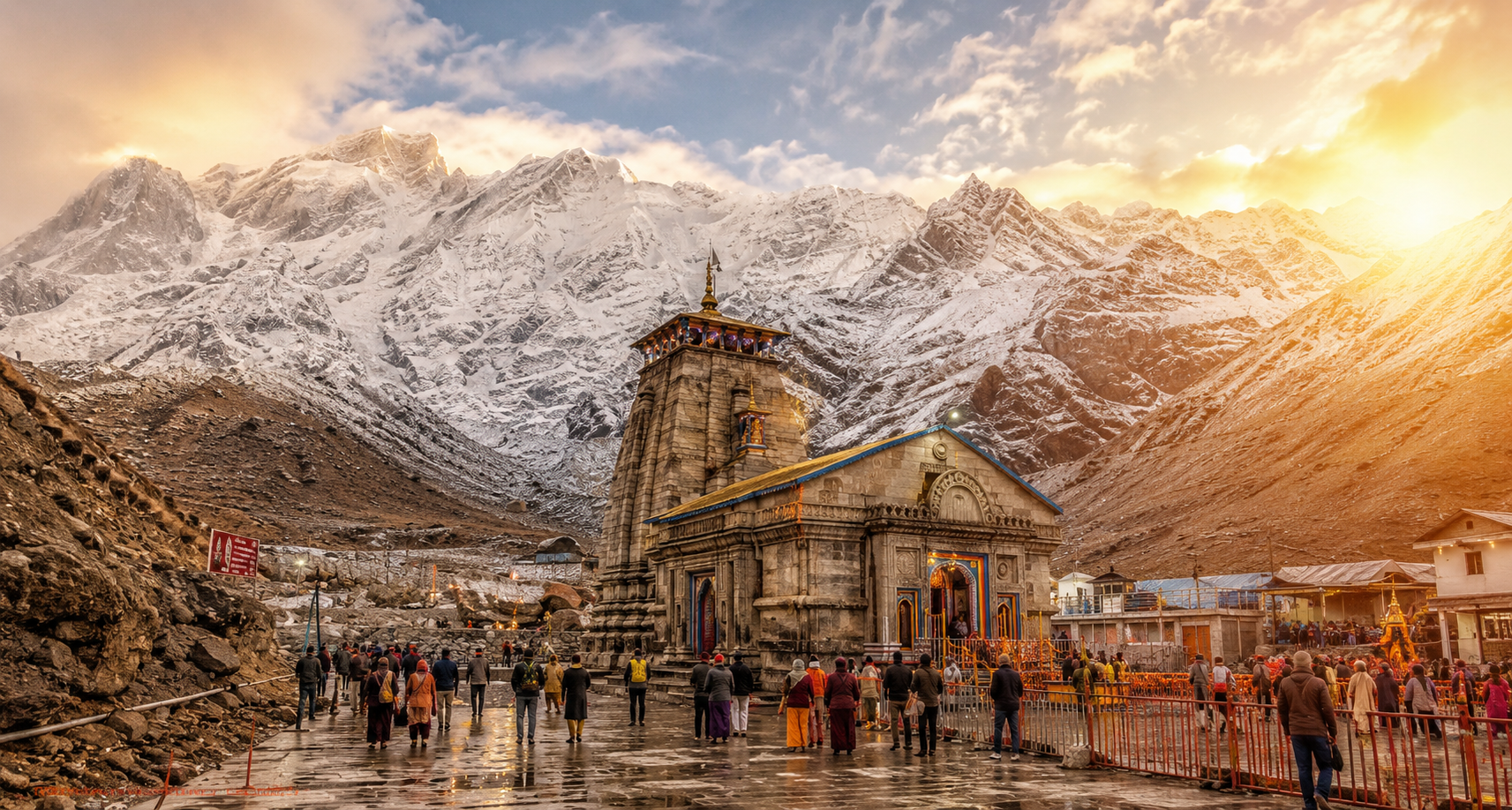
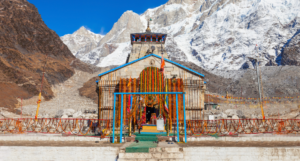
How to Reach Kedarnath in 2026: Complete Travel Guide by Road, Train, Helicopter & Trek

Kedarnath, one of the holiest shrines dedicated to Lord Shiva, attracts lakhs of devotees and travelers every year. Nestled in the majestic Garhwal Himalayas of Uttarakhand at an altitude of around 3,583 meters, Kedarnath offers not only spiritual peace but also breathtaking mountain landscapes and unforgettable travel experiences.

If you are planning your Kedarnath Yatra in 2026, knowing the best travel routes, transportation options, trek details, and helicopter services can make your journey smooth and stress-free. This complete guide by ELIVAAS covers everything you need to know about how to reach Kedarnath conveniently.

Where is Kedarnath Located?

Kedarnath

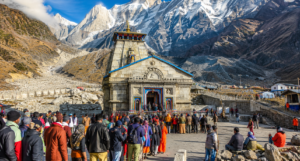
Kedarnath Temple is situated in the Rudraprayag district of Uttarakhand. The temple lies near the Mandakini River and is surrounded by snow-capped Himalayan peaks.

Since there are no direct road connections to the temple, travelers must complete the final stretch either by trekking, helicopter, pony, or palki services from Gaurikund.

How to Reach Kedarnath by Air

The nearest airport to Kedarnath is Jolly Grant Airport in Dehradun, located approximately 238 km from Gaurikund.

From the Airport:-

You can hire a taxi or take a bus to reach:

  • Rishikesh
  • Guptkashi
  • Sonprayag
  • Gaurikund

Travel Time:

  • Dehradun to Gaurikund: Around 8–10 hours by road

Best For:

  • Travelers coming from metro cities like Delhi, Mumbai, Bangalore, and Hyderabad
  • Pilgrims looking for faster travel options

How to Reach Kedarnath by Train

There is no direct railway station in Kedarnath. The nearest railway stations are:

  • Rishikesh Railway Station:- Distance Approx. 216 km
  • Haridwar Railway Station:- Distance Approx. 240 km
  • Dehradun Railway Station:- Distance Approx. 250 km

After reaching the railway station, travelers can continue the journey by taxi, shared cab, or bus to Sonprayag and Gaurikund.

Best Route:

Haridwar/Rishikesh → Rudraprayag → Guptkashi → Sonprayag → Gaurikund → Kedarnath

How to Reach Kedarnath by Road

Kedarnath is well-connected by road till Gaurikund, which is the last motorable point.

Major Road Routes

From Delhi:

Delhi → Haridwar → Rishikesh → Rudraprayag → Guptkashi → Sonprayag → Gaurikund

  • Total Distance: Approx. 450–470 km
  • Travel Time: 12–14 hours

From Haridwar:

  • Distance: Approx. 240 km
  • Travel Time: 8–9 hours

From Rishikesh:

  • Distance: Approx. 220 km
  • Travel Time: 7–8 hours

Transport Options:

  • Private taxis
  • Government buses
  • Shared jeeps
  • Self-drive cars

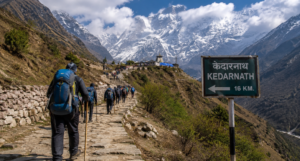
Kedarnath Trek Route

Kedarnath Trek

The trek to Kedarnath begins from Gaurikund.

Kedarnath Trek Distance

  • Approx. 16–18 km one way

Trek Difficulty

  • Moderate to difficult
  • Suitable for physically fit travelers

Trek Highlights

  • Scenic Himalayan views
  • Waterfalls and rivers
  • Spiritual atmosphere
  • Tea stalls and resting points along the route

Trek Options Available

  • Walking
  • Pony/Mule services
  • Palki/Doli services
  • Porter services

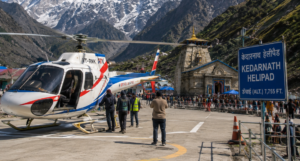
How to Reach Kedarnath by Helicopter

Kedarnath by Helicopter

Helicopter services are one of the most convenient ways to reach Kedarnath, especially for senior citizens and travelers with limited time.

Popular Helicopter Departure Points – Helipads

  • Phata
  • Guptkashi
  • Sersi

Helicopter Travel Time

  • Around 8–10 minutes

Important Tips

  • Book helicopter tickets in advance during peak season
  • Carry valid ID proof
  • Weather conditions may affect schedules

Helicopter bookings are usually available through official Uttarakhand tourism portals and authorized operators.

Best Time to Visit Kedarnath in 2026

The Kedarnath Temple generally opens between April/May and closes around October/November.

Ideal Months to Visit:

  • May to June: Pleasant weather and clear skies
  • September to October: Less crowded and scenic beauty after monsoon

Avoid:

  • Peak monsoon season (July–August) due to landslides and heavy rainfall

Registration for Kedarnath Yatra 2026

The Uttarakhand government requires pilgrims to complete mandatory registration for the Char Dham Yatra.

Registration Modes:

  • Online registration
  • Mobile app
  • Offline registration counters

Always carry:

  • Valid ID proof
  • Medical certificates if required
  • Travel documents

Travel Tips for Kedarnath Yatra

Kedarnath yatra

  • Start your journey early in the morning
  • Carry warm clothes even during summer
  • Wear comfortable trekking shoes
  • Keep raincoats and waterproof bags
  • Stay hydrated during the trek
  • Avoid overexertion at high altitude
  • Book accommodations and transport in advance

Where to Stay During Kedarnath Yatra

Travelers often stay in:

  • Haridwar
  • Rishikesh
  • Guptkashi
  • Sonprayag
  • Kedarnath

For a comfortable and luxurious mountain stay experience, ELIVAAS offers handpicked premium villas and stays across beautiful destinations in Uttarakhand and North India, perfect for relaxing before or after your spiritual journey.

Why Visit Kedarnath?

Kedarnath is not just a pilgrimage destination; it is an emotional and spiritual experience surrounded by nature’s raw beauty. From snow-covered peaks to sacred chants echoing through the valleys, every moment of the journey feels unforgettable.

Whether you choose to trek through the mountains or fly by helicopter, the journey to Kedarnath is truly one of India’s most remarkable travel experiences.

FAQs About:- How to Reach Kedarnath

1. What is the easiest way to reach Kedarnath?

The easiest way is by helicopter from Phata, Guptkashi, or Sersi.

2. Can we go to Kedarnath by car?

You can drive only till Gaurikund. After that, trekking or helicopter services are required.

3. How long is the Kedarnath trek?

The trek is approximately 16–18 km from Gaurikund.

4. Which is the nearest airport to Kedarnath?

Jolly Grant Airport in Dehradun is the nearest airport.

5. Is helicopter booking available for Kedarnath?

Yes, helicopter services operate from multiple helipads during the Yatra season.

6. What is the best month to visit Kedarnath?

May, June, September, and October are considered the best months.

7. Is the Kedarnath trek difficult?

The trek is moderate to difficult and may be challenging for beginners and senior citizens.

8. Are hotels available near Kedarnath Temple?

Yes, hotels, camps, lodges, and guesthouses are available near Kedarnath and nearby towns.

9. Is registration mandatory for Kedarnath Yatra?

Yes, Char Dham Yatra registration is mandatory for all pilgrims.

10. How many days are required for Kedarnath trip?

A comfortable Kedarnath trip usually takes 4–6 days depending on your travel route and stay plans.

15 Best Places to Visit in Ooty | Top Tourist Attractions & Travel Guide

A Complete Travel Guide to the Most Beautiful Tourist Places in Ooty

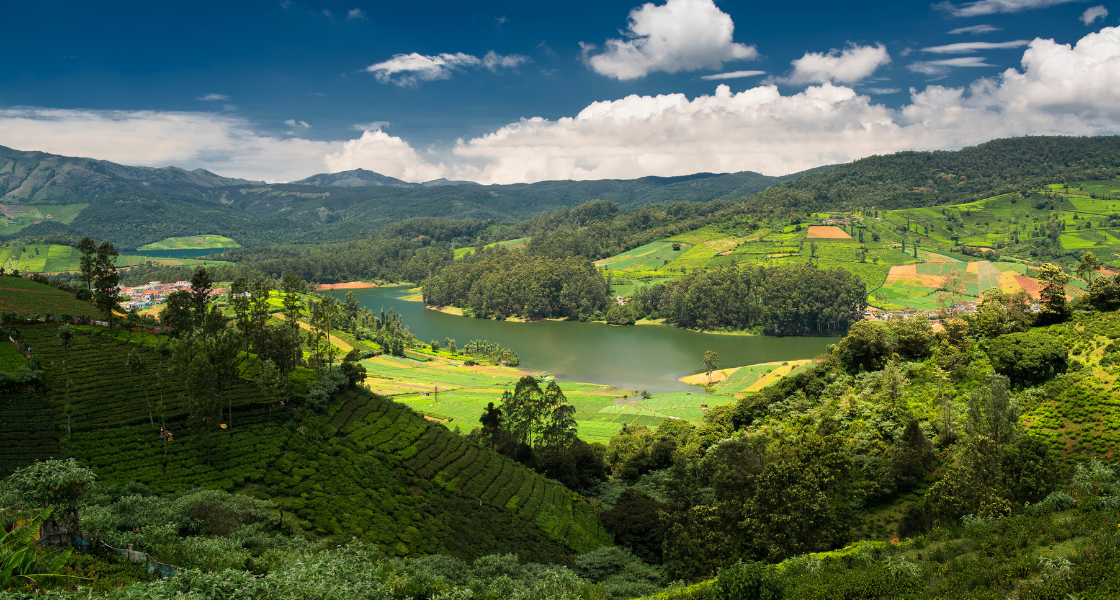
Nestled in the breathtaking Nilgiri Hills of Tamil Nadu, Ooty (Udhagamandalam) is one of the most popular hill stations in India. Known for its mist-covered mountains, lush tea plantations, scenic lakes, and colonial charm, Ooty attracts travelers throughout the year. Whether you’re planning a relaxing family vacation, a romantic getaway, or a peaceful weekend escape, the hill station offers a wide range of attractions to explore.

Some of the best places to visit in Ooty include Ooty Lake, Doddabetta Peak, Government Botanical Garden, Nilgiri Mountain Railway, Rose Garden, and Pykara Lake. These famous attractions offer a mix of natural beauty, scenic viewpoints, and cultural experiences that make Ooty one of the most loved hill stations in South India.

Travelers from Bangalore, Chennai, Hyderabad, and Kerala frequently visit Ooty for refreshing weekend getaways and nature retreats. After exploring the beautiful landscapes of the Nilgiris, staying in luxury villas in Ooty offers the perfect way to relax while enjoying panoramic mountain views and peaceful surroundings.

Here are the 15 best tourist attractions in Ooty you should add to your travel itinerary.

1. Ooty Lake

Ooty Lake

Location: North Lake Road, Ooty, Tamil Nadu

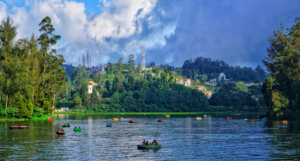
One of the most popular tourist attractions in Ooty, Ooty Lake is a scenic artificial lake built in 1824 by John Sullivan, the founder of Ooty. Surrounded by eucalyptus trees and rolling hills, the lake offers a refreshing environment for visitors.

Boating is the most popular activity here, with options such as paddle boats, rowboats, and motorboats. The area around the lake also features cycling tracks, local food stalls, and souvenir shops, making it an ideal spot for families and couples to spend a relaxing afternoon.

2. Government Botanical Garden

Government Botanical Garden

Location: Vannarapettai, Ooty, Tamil Nadu

Spread across 55 acres, the Government Botanical Garden is one of the most famous places to visit in Ooty. Established in 1848, the garden features thousands of plant species, colorful flower beds, and beautifully maintained lawns.

One of the major attractions here is a 20-million-year-old fossilized tree trunk. The garden also hosts the annual Ooty Flower Show, which attracts thousands of visitors every year.

3. Doddabetta Peak

Doddabetta Peak

Location: Doddabetta Road, about 10 km from Ooty town

Standing at 2,637 meters, Doddabetta Peak is the highest point in the Nilgiri Hills. It offers breathtaking panoramic views of valleys, forests, and tea plantations stretching across the region.

The telescope house located at the summit allows visitors to observe the surrounding landscapes more closely. Early morning visits provide the clearest views and a peaceful atmosphere.

4. Nilgiri Mountain Railway

Nilgiri Mountain Railway

Location: Ooty Railway Station, Udhagamandalam

The Nilgiri Mountain Railway, popularly known as the Ooty Toy Train, is a UNESCO World Heritage Site and one of the most memorable experiences in Ooty.

The scenic train journey between Mettupalayam and Ooty passes through tunnels, bridges, dense forests, and tea estates. The slow-paced ride provides breathtaking views of the Nilgiri hills and is considered one of the most beautiful train journeys in India.

5. Government Rose Garden

Government Rose Garden

Location: Elk Hill Road, Ooty, Tamil Nadu

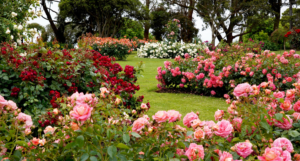
The Government Rose Garden is among the largest rose gardens in India, featuring more than 20,000 varieties of roses. Spread across several terraces on Elk Hill, the garden offers colorful floral displays and beautiful views of the surrounding hills.

It is one of the best places in Ooty for photography and peaceful nature walks.

6. Avalanche Lake

Avalanche Lake

Location: Avalanche Road, about 28 km from Ooty

Avalanche Lake is known for its untouched natural beauty and peaceful environment. Surrounded by lush forests and rolling hills, the lake is an excellent destination for nature lovers.

Visitors can enjoy activities like trekking, trout fishing, and nature photography while experiencing the quiet beauty of the Nilgiri landscape.

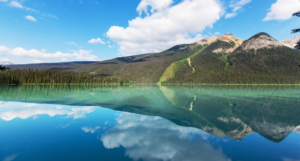
7. Emerald Lake

Emerald Lake

Location: Silent Valley region, about 25 km from Ooty

Emerald Lake is a hidden gem located in the Silent Valley area of the Nilgiris. The lake is surrounded by tea plantations, grassy hills, and dense forests, creating a picturesque landscape.

It is one of the best places near Ooty for birdwatching, photography, and enjoying peaceful natural surroundings.

8. Tea Museum and Tea Factory

Location: Doddabetta Road, Ooty

Ooty is famous for its tea plantations, and the Tea Museum and Tea Factory offers visitors a chance to learn about the tea production process.

Visitors can see how tea leaves are processed, packaged, and prepared. The museum also offers tea tasting sessions where travelers can sample freshly brewed Nilgiri tea.

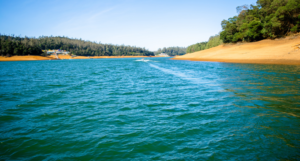
9. Pykara Lake

Pykara Lake

Location: Pykara, about 20 km from Ooty on Ooty–Mysore Road

Pykara Lake is a scenic lake surrounded by pine forests and rolling hills. The calm waters and peaceful atmosphere make it one of the most beautiful picnic spots near Ooty.

Boating facilities are available, allowing visitors to enjoy the serene landscape while exploring the lake.

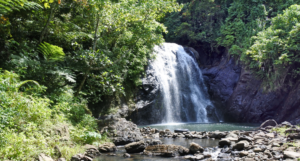
10. Pykara Waterfalls

Location: Pykara, near Pykara Lake

Located close to Pykara Lake, Pykara Waterfalls is a stunning natural attraction where water cascades down rocky cliffs surrounded by greenery.

The viewpoint near the falls offers beautiful scenery and excellent photography opportunities.

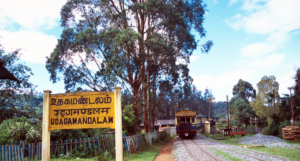
11. Ooty Railway Station

Ooty Railway Station

Location: Udhagamandalam Railway Station, Ooty

The Ooty Railway Station is famous for its charming colonial architecture and vintage railway charm. Watching the blue toy train arrive at the station is a nostalgic experience for many visitors.

The station is also a popular photography spot for travelers exploring the town.

12. St. Stephen’s Church

Location: Club Road, Ooty

Built in 1830, St. Stephen’s Church is one of the oldest churches in the Nilgiris. The church features beautiful stained-glass windows and colonial architecture.

The peaceful surroundings and historical significance make it a must-visit place for history enthusiasts.

13. Needle Rock View Point

Location: Gudalur Road, about 50 km from Ooty

Also known as Oosi Malai, Needle Rock View Point offers stunning panoramic views of the surrounding valleys and forests.

The viewpoint is especially beautiful during sunrise and sunset, when the hills are covered with mist and golden light.

14. Kalhatty Waterfalls

Kalhatty Waterfalls

Location: Kalhatty Ghat Road, around 13 km from Ooty

Kalhatty Waterfalls is a scenic waterfall cascading from a height of about 100 feet. Surrounded by dense forests and wildlife, the area offers a refreshing natural escape.

Birdwatchers and nature lovers often visit this place to enjoy its peaceful environment.

15. Mudumalai National Park

Mudumalai National Park

Location: Mudumalai, about 40 km from Ooty

Mudumalai National Park is one of South India’s most famous wildlife sanctuaries. Located at the foothills of the Nilgiri hills, the park is home to elephants, deer, leopards, and many bird species.

Visitors can explore the forest through jeep safaris and experience the rich biodiversity of the Western Ghats.

Where to Stay in Ooty

After exploring the scenic attractions of this beautiful hill station, choosing the right accommodation can make your trip even more enjoyable. Many travelers prefer staying in luxury villas in Ooty rather than traditional hotels because villas offer more privacy, spacious living areas, and breathtaking views of the hills.

For a premium and comfortable stay, ELIVAAS offers luxury villas in Ooty designed for travelers seeking elegance, privacy, and scenic surroundings. These villas are perfect for families, couples, and groups looking for a relaxing hill station getaway.

FAQs About:- Best Places to Visit in Ooty

1. What are the best places to visit in Ooty?

Top attractions include Ooty Lake, Doddabetta Peak, Botanical Garden, Nilgiri Mountain Railway, Rose Garden, and Pykara Lake.

2. What is the best time to visit Ooty?

The best time to visit Ooty is from October to June when the weather is cool and pleasant.

3. How many days are enough for an Ooty trip?

A 2–3 day trip is usually enough to explore the main tourist attractions in Ooty.

4. Is Ooty good for a family vacation?

Yes, Ooty is an excellent destination for families because it offers lakes, gardens, scenic viewpoints, and fun activities.

5. Is the Ooty toy train worth experiencing?

Yes, the Nilgiri Mountain Railway toy train is a UNESCO World Heritage experience and one of the most scenic train journeys in India.

6. What are the best things to do in Ooty?

Boating at Ooty Lake, exploring tea plantations, riding the toy train, visiting viewpoints, and trekking are popular activities.

7. Are there luxury villas in Ooty for stay?

Yes, travelers can stay in luxury villas in Ooty that offer privacy, scenic views, and premium amenities.

8. Which places near Ooty are worth visiting?

Coonoor, Avalanche Lake, Emerald Lake, Mudumalai National Park, and Pykara Waterfalls are popular nearby attractions.

9. Is Ooty suitable for honeymoon trips?

Yes, Ooty is a popular romantic destination due to its cool climate and scenic landscapes.

10. Where can travelers book luxury villas in Ooty?

Travelers can book luxury villas in Ooty with ELIVAAS, offering premium accommodations with beautiful hill views.